A Human Brain with Santa Hat: Embroidery Review
As a professional embroidery designer and product reviewer, I approach every new digital asset with a critical eye. When evaluating A Human Brain with Santa Hat, my first thought isn't just about the festive theme; it is about how this unique juxtaposition translates from a screen to fabric. This design merges anatomical precision with holiday whimsy, creating a niche aesthetic that appeals to specific markets like medical professionals, educators, psychology enthusiasts, and makers who appreciate quirky humor. Before you load this machine embroidery design into your hoop for a client project or shop inventory, it is vital to understand its practical behavior on real textiles.
First Impressions and Visual Personality
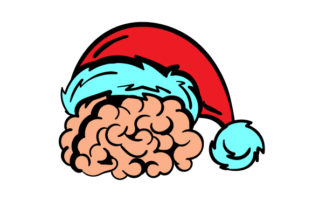
The immediate mood of A Human Brain with Santa Hat is intellectual playfulness. Unlike traditional Christmas motifs, this design carries a distinct personality that stands out in a sea of generic reindeer and snowmen. The visual weight relies heavily on the contrast between the organic, complex curves of the brain and the structured, bold shapes of the hat. For an Etsy seller or craft business owner, this uniqueness is a selling point. It signals to buyers that your handmade product was curated with intention rather than mass-produced trends.
However, the complexity of the brain’s gyri and sulci presents a digitization challenge. In vector formats like SVG or EPS, these lines are crisp. In embroidery, they must be rendered through satin stitch, fill stitch, or running stitch. If the design uses dense fill stitches for the brain texture, the final embroidered patch or garment will have significant loft. Conversely, if it relies solely on running stitches for outline definition, the design may disappear on textured fabrics. Understanding this balance is crucial before committing to a production run.
Real-World Application: Stitching a Medical Professional’s Gift
To truly evaluate this asset, I mentally placed A Human Brain with Santa Hat onto a custom embroidered tote bag intended as a holiday gift for a neurology resident. This scenario tests both durability and visual clarity. Tote bags are often made of canvas or cotton duck, which provides a stable base but has a visible weave that can interfere with fine details.
In this application, the Santa hat serves as an excellent anchor. Its solid blocks of color allow for clean satin stitch borders that define the top of the design, making it readable even from a distance. The brain portion, however, requires careful consideration of stitch density. On a tote bag, I would verify that the embroidery file includes adequate underlay to prevent the canvas grain from showing through the brain's lighter sections. Without proper underlay, the anatomical details could look muddy or incomplete.
For sweatshirt embroidery, the considerations shift. Fleece and French terry are plush materials that swallow detail. If using this design on apparel, I strongly recommend testing a version where the brain’s internal lines are slightly thickened or simplified. A personalized gift for a nurse or doctor needs to be legible after washing and wearing. If the intricate folds of the brain become lost in the fleece pile, the humor and recognition factor diminishes significantly.
Navigating Fabric Constraints and Hoop Sizes
Not every surface is suitable for A Human Brain with Santa Hat. As experienced makers know, the substrate dictates the success of the embroidery project.
- Textured and Pile Fabrics: Avoid using this design on high-pile towels or shaggy fleece without modification. The intricate anatomy demands a smooth surface. If you must use a textured fabric, consider using a water-soluble topping to keep stitches above the nap.
- Stretchy Knits: When applying this to baby clothes or stretchy holiday tees, stabilization is non-negotiable. The density of a detailed brain combined with the weight of a filled Santa hat can cause tunneling or puckering on lightweight jersey. Use a cut-away stabilizer specifically designed for knits to maintain the shape of the baby embroidery or adult tee.
- Curved Surfaces: Placing this design on a cap or curved pocket requires checking the aspect ratio. Brains are naturally wide and low-profile. Ensure the hoop size accommodates the width without distorting the proportions. A squashed brain loses its anatomical accuracy and looks unprofessional.
- Dark Fabrics: Test thread colors against dark backgrounds. White or light grey threads for the brain may require extra passes to achieve opacity. Alternatively, outline the brain in a darker shade to create separation from a black or navy sweatshirt.
Commercial Viability and Product Value
For those running a small shop product line or selling digital embroidery file assets, versatility matters. A Human Brain with Santa Hat bridges two lucrative niches: seasonal decor and occupational pride. This duality increases its value as a commercial embroidery asset. It works equally well as a holiday embroidery accent on a kitchen towel for a science teacher or as a boutique branding element for a mental health practice’s winter merchandise.
When creating printable mockups for listings, ensure the preview accurately reflects the stitched reality. Do not simply overlay the transparent PNG onto a shirt image. Instead, show a close-up of actual stitching or a realistic render that demonstrates how the applique design or stitch textures interact with the fabric. Customers trust sellers who show the tangible result. Accurate representation reduces returns and builds confidence in your design assets.
Essential Designer Notes for Success
Before listing a finished item or selling the digital file itself, adhere to these professional best practices:
- Verify Licensing: Confirm whether your purchase of A Human Brain with Santa Hat includes commercial rights for selling physical products versus digital files. Never assume unlimited usage.
- Test Stitch-Outs: Always run a test on scrap fabric similar to your final project. Check for registration issues where the Santa hat meets the brain. Misalignment here ruins the illusion.
- Review Small Details: Inspect the smallest elements of the brain at 100% zoom in your software. If any area is smaller than 1mm, it may not stitch cleanly. Edit or remove micro-details that compromise structural integrity.
- Check Format Compatibility: While you receive SVG, Transparent PNG, EPS, and DXF files, confirm which format your specific machine or software prefers for editing. Some machines handle converted files differently than native formats.
- Contrast Testing: View the design in black and white before stitching. If the brain and hat blend together without color, the design lacks sufficient value contrast. Adjust thread selection to ensure readability regardless of color palette.
Final Thoughts on Execution
A Human Brain with Santa Hat is more than a novelty; it is a test of technical skill and market awareness. When executed correctly, it elevates a simple custom apparel piece into a conversation starter. Whether you are crafting a personalized gift for a colleague or expanding your Etsy seller catalog with unique Christmas offerings, respect the design’s complexity. Pay attention to stabilizer choices, fabric compatibility, and stitch clarity. By treating this whimsical motif with professional rigor, you ensure that the final finished product delights the recipient and reflects the quality of your craftsmanship.