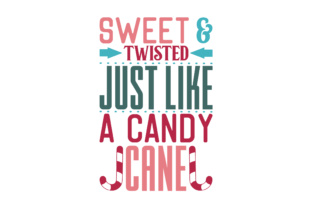
Candy Cane Design: A Crafter’s Practical Review
As a designer who has stitched out countless holiday motifs for client projects and shop inventory, I approach every new machine embroidery design with a critical eye. It is not enough for a graphic to look festive on a screen; it must translate beautifully through needle and thread. When evaluating this specific Candy Cane Design, my first impression is one of classic versatility. The silhouette is iconic, instantly recognizable, and carries that nostalgic weight essential for Christmas merchandise. However, as someone running a craft business, I know that nostalgia does not pay the bills unless the final finished product looks professional and durable.
This review breaks down how this design performs in real-world scenarios, from digital mockups to the actual hoop, helping you decide if it belongs in your next collection of handmade products.
First Impressions and Digital Versatility
Before I even thread my machine, I evaluate the digital assets. This package includes SVG, Transparent PNG, EPS, and DXF files. For an Etsy seller or creative entrepreneur, this variety is crucial. The Transparent PNG allows me to create immediate printable mockups for listing photos without waiting for a physical stitch-out. I can overlay the Candy Cane Design onto sweatshirt templates or tote bag previews to gauge customer interest before committing production time.
The vector formats (SVG, EPS, DXF) are equally important for those of us who customize. If a client wants their name arched over the candy cane or needs a specific color swap to match their brand palette, having editable design assets saves hours of redigitizing. Visually, the shape feels balanced. It avoids overly intricate internal details that often turn into thread nests on smaller hoops, suggesting it was created with actual stitching in mind rather than just being a converted clip art file.
Real-World Application: The Holiday Tote Bag Test
To truly judge this design, I mentally placed it in a recent commission scenario: a set of personalized holiday tote bags for a corporate gift order. Canvas totes are a staple tote bag design canvas, but they present challenges due to fabric texture and weave.
In this context, the Candy Cane Design shines because of its bold geometry. Unlike delicate snowflakes that can get lost in canvas weave, the solid shape of a candy cane provides enough visual mass to remain crisp. I envision using a combination of satin stitch for the outer border to give it a polished, boutique feel, paired with a lighter fill stitch for the interior stripes. This contrast in stitch density prevents the bag from becoming too stiff or heavy, which is a common complaint with dense holiday embroidery.
For custom apparel like sweatshirts, this design works exceptionally well as a left-chest placement or a centered yoke accent. The vertical orientation of the candy cane complements the natural drape of garments better than wide, horizontal designs. When creating personalized gifts, such as baby bibs or nursery pillows, the simplicity of the shape allows for easy personalization underneath without overcrowding the layout.
Navigating Fabric Challenges and Hoop Limitations
While the Candy Cane Design is versatile, experienced makers know that execution depends heavily on material choice. Here is where practical judgment matters most:
- Stretchy Fabrics: If you are applying this to knitwear or performance tees, the stabilizer choice is non-negotiable. A candy cane has long, straight lines that can distort if the fabric shifts. Always use a cut-away stabilizer for stretchy bases to maintain the integrity of the embroidery project.
- Textured Surfaces: On terry cloth towels or fleece blankets, the fine details of any stripe pattern can sink into the pile. I recommend using a water-soluble topping to keep the stitches sitting on top of the fabric texture. Without this, your crisp candy cane will look muddy after the first wash.
- Small Hoop Sizes: While the design scales well, be cautious when shrinking it for 4x4 hoops or cap frames. Reducing size increases relative stitch density. If the stripes become too narrow for the needle to pass through cleanly, you risk thread breaks or puckering. Always test the minimum viable size on scrap fabric first.
- Dark Fabrics: Traditional red and white thread colors may lack contrast on deep burgundy or navy garments. Consider outlining the design in metallic gold or silver thread to lift it off the dark background, enhancing the perceived value of the small shop product.
Commercial Viability and Brand Consistency
For those selling commercial embroidery services or digital files, consistency builds trust. This Candy Cane Design possesses a clean aesthetic that pairs well with various typography styles, from vintage serifs to modern sans-serifs. This adaptability makes it a reliable asset for boutique branding. Whether you are making aprons for a bakery or patches for a scout troop, the design maintains its identity without clashing with other elements.
However, a note of caution for digital product sellers: always verify your licensing terms before reselling the digital embroidery file itself or using it in print-on-demand services. While the file formats provided suggest commercial utility, protecting your business means confirming you have the right to use the design in your specific intended manner. For physical goods, this design has high "giftability." It triggers an emotional response associated with tradition, which often translates to higher conversion rates for Etsy listings during the Q4 rush.
Designer Notes for Flawless Execution
Based on my experience reviewing similar seasonal graphics, here are my technical recommendations for getting the best results from this Candy Cane Design:
- Run a Stitch Simulation: Before wasting thread, use your software’s simulation tool to check for jump stitches. Efficient pathing reduces production time and improves the backside appearance of baby embroidery items where skin contact occurs.
- Check Thread Contrast: Do not assume standard red and white will work for every variation. Test high-contrast combinations on scrap fabric. Sometimes a cream white reads better than optic white against bright red, giving a softer, more vintage handmade look.
- Validate Stabilizer Pairings: Match your stabilizer to the end-use. Tea towels need tear-away for softness; caps need structured backing; stretchy knits need cut-away. The wrong stabilizer ruins even the best digitized file.
- Mockup Testing: Use the included PNG to test black-and-white versions of the design. If the candy cane loses definition without color, the underlying structure may need adjustment for monochrome embroidered patch applications.
- Wash Test: If selling kitchen textiles or children's wear, wash and dry your test sample three times. Check for tunneling around satin stitches or fraying at sharp corners. Durability defines the quality of a handmade product far more than initial appearance.
Final Verdict for Makers
The Candy Cane Design represents a solid investment for crafters and small business owners focused on Christmas and general winter Crafts. Its strength lies in its geometric clarity and format flexibility. It avoids the pitfalls of overly complex seasonal art that fails to stitch out cleanly on varied substrates. By respecting fabric limitations and utilizing the provided vector assets for customization, this design can serve as a foundational element in everything from high-margin custom apparel to quick-turnaround craft fair items. Just remember: the file gets you started, but your attention to stabilizer, tension, and fabric pairing is what creates a product customers will cherish for seasons to come.