Christmas Books Graphics: Editorial Illustrations Review
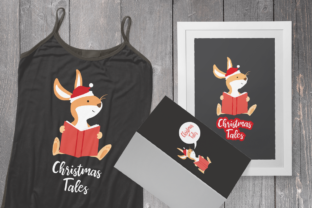
As a digital publisher and blog designer, my first interaction with any new asset is a critical stress test. I am not just looking for something pretty; I am evaluating whether a graphic design asset can carry the weight of an entire content strategy during the busiest season of the year. When I first loaded the Christmas Books collection into my workspace, the immediate impression was one of curated nostalgia balanced with modern utility. This is not merely clip art; it is a cohesive set of illustrations that establishes a warm, literary, and inviting editorial mood instantly.
The visual tone strikes a specific chord that is essential for lifestyle and niche publishing. It feels intentionally cozy yet polished enough for professional use. For content creators in the book blogging, education, parenting, or holiday lifestyle spaces, this aesthetic bridges the gap between personal warmth and commercial viability. The artwork suggests storytelling, quiet moments, and tradition, which naturally supports content focused on gift guides, reading lists, holiday traditions, and seasonal reflection. In an era where readers scroll past generic stock photography, these hand-crafted visuals signal authenticity and care, fostering immediate reader trust before they even consume the headline.
Deploying Visuals Across the Publishing Ecosystem
In a real-world publishing workflow, versatility is the metric that matters most. A single digital download must earn its keep across multiple platforms and formats. Introducing Christmas Books SVG, this collection includes three distinct Christmas elements perfect for T-shirts, greeting cards, posters, invitations, photo cards, and much more. However, from an editorial perspective, the application goes far beyond physical merchandise. These assets are workhorses for digital content marketing.
I immediately tested these graphics as featured images for blog posts. Because the illustrations have clear negative space and balanced composition, they accommodate overlay text beautifully without sacrificing legibility. This makes them ideal for Pinterest pin creation, where vertical space and text hierarchy determine click-through rates. Unlike complex photographs that fight with typography, these graphics provide a clean canvas for bold headlines like "Top 10 Holiday Reads" or "Ultimate Gift Guide."
Furthermore, these assets excel in email marketing and newsletter design. A cluttered inbox requires a visual hook that is recognizable at thumbnail size. Using one of these Christmas Books illustrations as a header graphic creates consistent brand identity across your subscriber base. They also serve as excellent visual anchors for lead magnets and digital guides. If you are creating a downloadable holiday planner, a festive reading checklist, or a printable gift tag set, incorporating these high-quality illustrations elevates the perceived value of the freebie. For affiliate marketers promoting books or holiday decor, using custom illustration rather than generic Amazon product shots can significantly improve engagement and reduce ad blindness.
Enhancing Click-Through Rates and Brand Authority
We often discuss SEO in terms of keywords, but visual search and user experience are equally vital for traffic retention. Integrating these design assets into your site architecture does more than decorate; it organizes. Consistent use of this illustration style helps establish a strong visual hierarchy. Readers begin to associate this specific artistic style with your holiday content, making category pages and archives feel more navigable and intentional.
From a performance standpoint, custom graphics like Christmas Books often outperform stock photos in social media feeds because they stop the scroll. They offer a pattern interrupt against the sea of identical red-and-green photography. When used in social media graphics for Instagram or Facebook, they convey a boutique, artisanal quality that aligns perfectly with small business branding. This cohesion builds authority. When a reader lands on your site and sees professional, consistent editorial design, they are more likely to trust your recommendations, sign up for your list, or purchase your digital product.
Strategic Placement and Contextual Awareness
While versatile, no asset is universal. Understanding where these illustrations shine—and where they falter—is key to professional implementation. These graphics perform best as hero images for seasonal articles, accents in sidebar widgets, decorative elements in footer newsletters, and primary visuals for printable design products. Their strength lies in their ability to evoke emotion without overwhelming information.
However, publishers must exercise caution in specific contexts. Avoid using these detailed illustrations as tiny mobile thumbnails where intricate lines may blur. They should also be used carefully in highly corporate or B2B environments where a playful, hand-drawn aesthetic might undermine serious messaging. Additionally, be mindful of busy backgrounds; these graphics need breathing room. Placing them over textured patterns or low-contrast colors will destroy their impact. In text-heavy blog layouts, ensure the illustration serves as a visual break rather than competing with dense paragraphs. The goal is always clarity and enhancement, never decoration for decoration's sake.
The Publisher’s Technical Checklist
Before pushing any creative design live to a monetized website, I run through a rigorous quality assurance protocol. This ensures the asset supports both user experience and legal compliance. Here is the practical checklist I recommend for integrating Christmas Books into your publishing workflow:
- Cross-Device Testing: Preview the graphics on desktop, tablet, and mobile screens. Ensure the focal point remains visible when responsive themes crop the image.
- Typography Pairing: Test the illustrations beside various font families. They pair exceptionally well with classic serif fonts for a traditional look, clean sans-serifs for modern blogs, and handwritten scripts for personal storytelling. Avoid overly decorative display fonts that compete with the art.
- Contrast Verification: Always check accessibility. If placing text over the graphic, ensure there is sufficient contrast ratio. Use overlays or solid color blocks behind text if necessary.
- File Optimization: While SVGs are scalable, exported PNGs or JPGs for web use must be compressed. Large file sizes kill page speed and hurt SEO. Aim for under 100KB for standard blog graphics.
- Licensing Compliance: This is non-negotiable. Confirm the commercial license terms before using the asset on affiliate pages, paid courses, or products for sale. Understand the difference between personal use and commercial design rights to protect your business.
- Template Integration: Save the assets within your Canva template or design software library with clear naming conventions. This streamlines future production and maintains consistency across team members.
Ultimately, the Christmas Books collection represents a smart investment for digital publishers looking to elevate their seasonal content. It moves beyond disposable trends to offer genuine brand identity value. By treating these illustrations as strategic communication tools rather than mere decorations, bloggers and entrepreneurs can create a richer, more engaging reader experience that drives both connection and conversion. Whether you are designing a website header, crafting a viral Pinterest pin, or packaging a premium content marketing lead magnet, these graphics provide the professional polish necessary to stand out in a crowded digital marketplace.