Don’t Hog the Nog: Christmas Crafts Asset Review
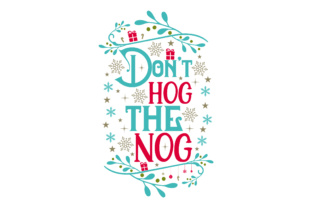
As a digital product creator preparing for the Q4 rush, my evaluation of any new graphic design asset goes far beyond simple aesthetics. When I first loaded "Don’t Hog the Nog" into my workspace, I was looking for more than just a cute holiday phrase; I was assessing its viability as a high-converting Etsy product and a versatile foundation for a seasonal collection. The immediate impression is one of playful nostalgia mixed with modern humor. It strikes a specific balance that appeals to buyers who want festive decor without the stuffiness of traditional Victorian imagery. The typography suggests a hand-lettered authenticity that performs exceptionally well in the current market, where consumers are actively seeking designs that feel personal and handmade rather than mass-produced.
This asset clearly targets the millennial and Gen Z crafter demographic, as well as small business owners creating merchandise for holiday markets. The mood is lighthearted and social, making it ideal for products meant to be shared or gifted. From a commercial perspective, this specific vibe reduces the risk of saturation because it relies on personality rather than generic iconography. However, before listing this as a digital download, I had to rigorously test the technical files to ensure they could withstand the demands of both physical crafting and digital template creation.
Technical File Assessment for Commercial Production
The value of this design bundle lies entirely in the integrity of the included formats. Receiving the design in SVG, Transparent PNG, EPS, and DXF formats covers the essential bases for most creative marketplace standards, but each requires specific vetting. For my Cricut project tests, the SVG file is the priority. I imported it directly into Design Space to check for stray nodes and overlapping layers. A common issue with humorous text-based designs is disconnected letters that turn into a weeding nightmare for customers. Fortunately, this asset appears optimized for cutting, though I always recommend sellers perform a test cut on cardstock before promising "easy weed" in their listing descriptions.
The Transparent PNG is equally critical for print-on-demand sellers and those creating sublimation design products. I verified the transparency mask to ensure there were no white halos or jagged edges against dark backgrounds. This is non-negotiable for t-shirt design and mug design applications where the background color varies. The resolution must be at least 300 DPI at print size to avoid pixelation on larger items like tote bags or tumblers. The EPS and DXF files serve as excellent backups for professional designers using Adobe Illustrator or Silhouette Studio, ensuring your shop caters to advanced users who demand vector scalability for large-format packaging design or signage.
Profitable Product Applications Beyond Basic Apparel
While "Don’t Hog the Nog" naturally lends itself to apparel, limiting your inventory to t-shirts leaves money on the table. During my planning phase for a new holiday collection, I identified several high-margin avenues for this illustration. As a sticker design, it has strong potential for planner communities and laptop decals, provided the text remains legible at smaller scales. For the home decor niche, this phrase translates beautifully into printable wall art and kitchen tea towels, capitalizing on the entertaining season.
I also see significant opportunity in the digital template space. Using the PNG as a base element in a Canva template allows you to sell editable holiday party invitations or Instagram story kits for event planners. This transforms a single static asset into a dynamic tool for other creators. Additionally, consider incorporating this design into social media graphics bundles for food bloggers or beverage brands hosting holiday parties. The humor aligns perfectly with content creators discussing recipes or hosting tips, expanding your target audience beyond individual crafters to include B2B buyers looking for seasonal brand identity elements.
Optimizing Visual Hierarchy and Listing Presentation
Your product mockup is the primary sales driver, and this asset requires strategic presentation to convert browsers into buyers. Because the phrase is text-heavy and humorous, the visual hierarchy in your thumbnails must be instant. I tested this design on various mockups and found that clean, uncluttered backgrounds work best to let the typography breathe. Avoid busy holiday patterns behind the text in your main listing image; save those for secondary photos showing lifestyle context.
When creating listings for Christmas crafts, contrast is key. Test the design on both white and dark wood textures to demonstrate versatility to potential buyers. If you are selling a commercial license version, create a specific mockup showing the design used in a professional setting, such as a coffee shop chalkboard or a branded gift tag. This visually communicates the commercial value proposition. Furthermore, bundling this asset with complementary elements—like matching borders or secondary icons—can increase perceived value. Just ensure the bundle maintains a cohesive style so the visual storytelling feels intentional rather than thrown together.
Risk Mitigation and Practical Seller Notes
Even high-quality assets have limitations that experienced sellers must navigate. One caution with "Don’t Hog the Nog" is its use in tiny formats. Intricate script or distressed textures can become muddy when scaled down for 1-inch planner stickers or jewelry tags. Always verify legibility at the smallest intended size before marketing it for micro-applications. Similarly, be wary of using this on low-resolution print products; the charm of the lettering relies on crisp edges, and blurriness will lead to negative reviews regarding file quality.
From a licensing perspective, never assume. Before publishing, double-check the specific terms included with your purchase. Confirm whether the commercial design license allows for end-products on POD platforms versus requiring the sale of digital files only. Organize your customer delivery files meticulously; label folders clearly (e.g., "SVG for Cricut," "PNG for Sublimation") to reduce support tickets. Finally, pair this asset thoughtfully with secondary fonts. Since the main design likely has a distinct personality, choose neutral sans-serifs or simple serifs for any added custom text in your templates to maintain balance. By treating this graphic design asset with professional scrutiny rather than just creative enthusiasm, you position your shop as a reliable source for quality design assets that help other businesses succeed during the competitive holiday season.