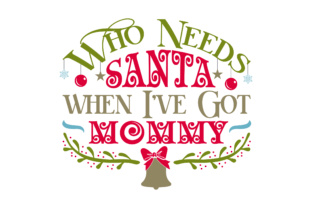
Who Needs Santa When I’ve Got Grandpa: Christmas Crafts
First Impressions: Emotional Resonance in Holiday Marketing
As a brand designer reviewing assets for the upcoming holiday season, my first criterion is always emotional resonance. When evaluating Who Needs Santa when I’ve Got Grandpa, the immediate impact is one of nostalgic warmth and familial connection. This is not merely a decorative element; it is a narrative hook. For content marketers and small business owners, this graphic design asset bridges the gap between commercial promotion and genuine sentiment. The mood it creates is inherently trustworthy and approachable, making it exceptionally suitable for handmade products, lifestyle content, and family-oriented branding.
In a real-world marketing project, imagine a boutique stationery shop launching a new line of personalized holiday cards or a digital creator releasing a printable gift tag bundle. Using this illustration immediately signals to the audience that the brand values tradition and personal relationships over mass-produced consumerism. It influences audience perception by positioning the product as a vessel for memory-making rather than just a seasonal commodity. Whether used for casual branding or premium visuals, the design carries an authentic weight that supports editorial graphics and commercial marketing materials without feeling overly corporate or sterile.
Strategic Application Across Digital and Physical Touchpoints
Versatility is non-negotiable for modern design assets. In my workflow, I need files that perform across multiple platforms without losing integrity. Since you receive this design in SVG, Transparent PNG, EPS, and DXF formats, it integrates seamlessly into diverse campaigns. For social media managers creating Instagram posts or Pinterest pins, the transparent PNG allows for quick layering over textured backgrounds or festive photography. Meanwhile, the SVG file is indispensable for Cricut or Silhouette users producing physical crafts, ensuring crisp edges on vinyl decals or iron-on transfers.
Consider a comprehensive holiday campaign for a small business. This asset can serve as the anchor for brand identity elements like packaging design and product labels. A sticker featuring this phrase adds a premium unboxing experience that encourages user-generated content. For digital sellers, it transforms generic Canva templates into unique, ownable marketing visuals. In email banners and website headers, the graphic establishes a cohesive visual hierarchy, guiding the viewer’s eye while reinforcing the seasonal theme. It functions equally well in lead magnets, such as holiday planning checklists, where the friendly tone increases download rates and audience trust.
Driving Engagement Through Visual Storytelling
The primary goal of any creative design in a marketing context is to stop the scroll and foster connection. Who Needs Santa when I’ve Got Grandpa supports specific marketing goals by leveraging relatability. In an era of polished perfection, audiences crave authenticity. This design asset facilitates stronger recognition because it taps into a universal emotional truth about grandparent-grandchild bonds. When used in Facebook ads or digital ads, it outperforms generic clipart because it tells a micro-story instantly.
- Emotional Connection: Moves the customer journey from transactional to relational, vital for long-term brand loyalty.
- Visual Hierarchy: Acts as a focal point that organizes complex layouts in blog graphics or media kits.
- Professional Appearance: High-quality vector lines prevent the pixelation often associated with amateur holiday content.
- Campaign Consistency: Unifies disparate content pieces, from event flyers to merchandise, under a single thematic umbrella.
For online coaches or bloggers focusing on family traditions, this graphic serves as more than decoration; it validates the reader's experiences. By incorporating this into content bundles or promotional banners, creators signal that they understand their niche deeply. This alignment between visual style and audience values is what ultimately drives higher engagement metrics and conversion rates during the competitive Christmas season.
Optimal Placement vs. Strategic Restraint
Knowing where a design asset shines is only half the battle; understanding its limitations prevents brand dilution. This illustration performs best as a hero graphic in campaign headers, a central motif on product launch visuals, or a decorative accent in branded templates. It is particularly effective for packaging accents on gift boxes or as the main visual in social media covers for family-focused accounts. In editorial layouts, such as magazine spreads or blog feature images, it provides necessary whitespace relief and thematic anchoring.
However, professional branding requires discernment. Use this asset carefully in formal corporate environments where the tone may be too whimsical. Avoid placing it in dense information layouts where the intricate details might compete with essential data or calls to action. On small mobile graphics, ensure the text remains legible; if the design shrinks below a certain threshold, opt for a simplified icon version instead. Additionally, be cautious with low-contrast backgrounds. While the transparent PNG is versatile, placing white text elements on a pale background without a shadow or stroke will destroy readability. Finally, avoid using it in overly minimal brands unless it is intentionally serving as a contrasting texture element.
The Designer’s Pre-Launch Checklist
Before integrating Who Needs Santa when I’ve Got Grandpa into a paid campaign or client deliverable, I run through a rigorous quality assurance process. First, test the asset against your existing brand color palette. Does the line weight match your current typography? Next, check black and white usage to ensure the design holds up in monochrome printing scenarios, which is common for budget-friendly packaging inserts. Always place the graphic inside real campaign mockups rather than viewing it in isolation; this reveals scale issues before production begins.
- Typography Pairing: Test how the illustration interacts with serif, sans serif, script, and display fonts. Ensure the font personality matches the hand-drawn or clean aesthetic of the graphic.
- Mobile Preview: Review spacing and balance on actual devices. What looks balanced on a desktop monitor may feel cramped on a phone screen.
- Competitor Analysis: Compare your usage against competitor visuals to ensure your application feels fresh rather than derivative.
- Licensing Verification: Confirm commercial license terms before using the asset in paid ads, client work, or products intended for resale. Understanding usage rights protects your business legally.
- Format Selection: Use EPS for large-format printing like posters, SVG for web and cutting machines, and PNG for quick digital compositing.
Ultimately, this graphic design asset offers significant value for creative entrepreneurs navigating the busy holiday market. It balances the playful nature of Christmas crafts with the professional requirements of modern content marketing. By treating Who Needs Santa when I’ve Got Grandpa as a strategic communication tool rather than just seasonal decor, brand owners can create campaigns that are visually consistent, emotionally resonant, and commercially effective. Whether you are designing a digital product, refreshing your web design, or crafting physical merchandise, this asset provides the flexibility and charm necessary to stand out in a crowded creative marketplace. Remember that successful professional branding lies in the intentional application of such elements, ensuring every visual choice reinforces your core message and deepens audience trust.